
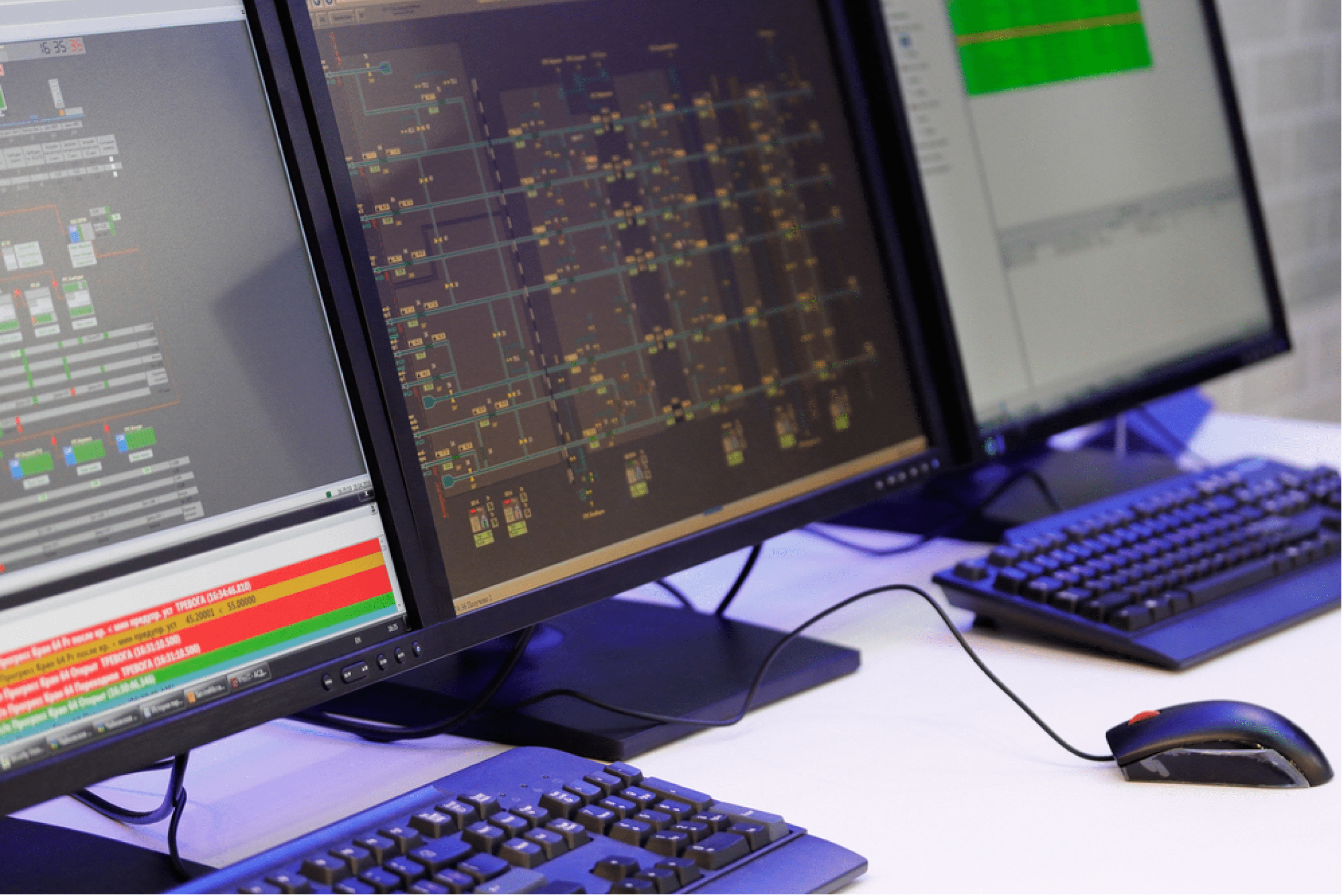
The SCADA acronym stands for Supervisory Control and Data Acquisition. A SCADA system is a collection of both software and hardware components that allow supervision and control of plants both locally and remotely. The SCADA also examines collects and processes data in the real-time human-machine interface or HMI software facilitates interaction with field devices such as pumps valves motors sensors etc.
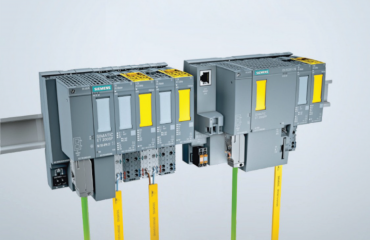
Within the SCADA software, it has the ability to log data for historical purposes the structural design of a standard SCADA system starts with remote terminal units or RT use and/or programmable logic controllers or PLCs. PLC’s or microprocessors that communicate and interact with field devices such as valves pumps and HMIS. The communication data is routed from the processors to the SCADA computers where the software interprets and displays the data allowing for operators to analyze and react to system events before SCADA plant personnel had to monitor and control industrial processes via selector switches push buttons and dials for analog signals. This means that plants had to maintain personnel on-site during production in order to control the processes as manufacturing grew and sites became more remote to nature relays and timers were used to assist in the supervision and control of processes.
With these devices, fewer plant personnel were required to be on-site in order to oversee and control operations while relays and timers did provide some level of automation the panels required. To implement open system architectures with communication protocols that were not vendor-specific as you can imagine this opened up skaters’ ability to connect with varying vendors this newer more improved SCADA was then called a networked SCADA system newer and improved skate up, unfortunately, didn’t last long with computer technology growing rapidly IT development quickly gathered steam the default database for IT became structured query language or SQL databases.
SCADA developers didn’t implement these standard databases so SCADA became out-of-date rather quickly when other technologies so rapidly changed current-day SCADA systems have adapted to the changing technologies and have a great advantage over the older SCADA systems with the adoption of modern IT standards such as SQL and web-based applications.
Today SCADA allows for real-time plant information to be accessed from anywhere around the world having this data at the operator’s fingertip. Facilitates improved plant operations allowing for responses to skate a system cue based on field-collected data and system analysis these operator interactions can be from a computer right on the plant floor to an office building in some other region in the world. Advancing technologies have indeed made the world seem like a very small place relatively speaking and because the current SCADA system software is typically adopted the SQL database model historical collection of data may be logged and used in trending applications to further improve plant processes as well as create mandated record-keeping for some of the industries out there. Essentially SCADA is a collection of hardware and software components this collection of components begins with real-time data collected from plant floor devices such as pumps valves and transmitters these components don’t have to be from a particular vendor they just need to have a communication protocol that the processor can utilize data collected from the field devices is then passed to the processors such as PLCs from the processor the data is distributed to a system of network devices.
These devices may be HMIS and user computers and servers on the HMI and end-user computer graphical representations of the operations exist for operator interactions such as running pumps and opening valves this data may also be analyzed and used to enhance plant production and troubleshoot problems.