

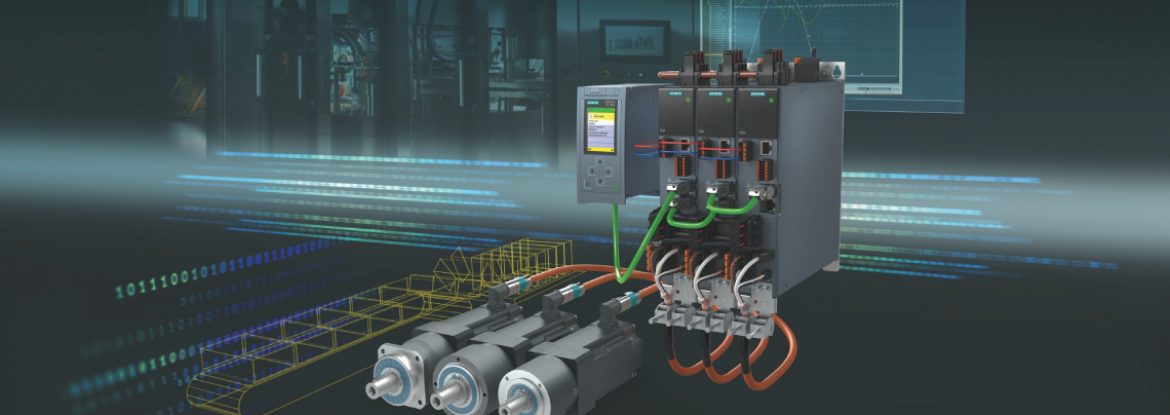
A servo motor is an electromechanical device that produces torque and velocity based on the current and voltage supplied. A servo motor operates as part of closed-loop control, providing torque and velocity as commanded by a servo controller which uses a feedback device to close the loop. The feedback device provides information such as current, velocity, or position to the servo controller, which adjusts the motor action depending on the commanded parameters. Servos are controlled by sending a variable width electrical pulse or pulse width modulation (PWM) over the control cable. There is a minimum heart rate, a maximum heart rate, and a repetition rate. Typically, a servo motor can only rotate 90° in each direction, giving a total of 180° of movement. The neutral position of the engine is defined. as the position where the servo has the same potential rotation both clockwise and counterclockwise.
The PWM sent to the motor determines the position of the axis and is based on the duration of the pulse sent on the control line; The rotor turns to the desired position.
Types of servo motor:
- Positional Rotation
- Continuous rotation
- Linear servos
Application of Servo Motor:
- Robotics
- Conveyor Belts
- Camera Auto Focus
- Robotic Vehicle
- Solar Tracking System
- Metal Cutting & Metal Forming Machines
- Antenna Positioning
- Woodworking/CNC
- Textiles
- Printing Presses/Printers
- Automatic Door Openers